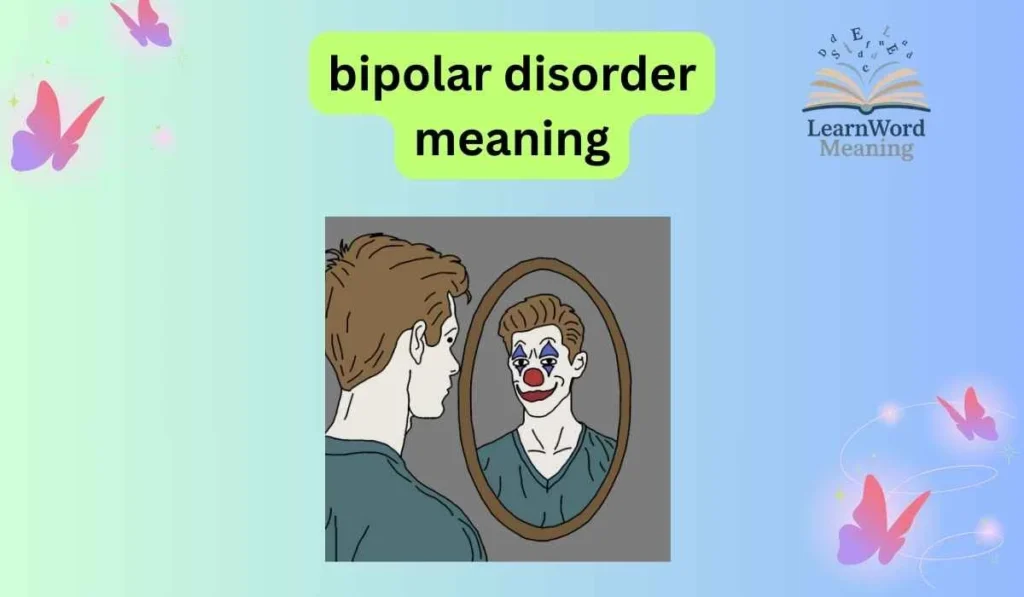
Understanding bipolar disorder meaning is more important than ever in today’s fast-paced digital world.
Whether you’ve seen it mentioned in texts, social media posts, or online chats, knowing what it truly means helps prevent misunderstandings and promotes awareness.
In this guide, we break down bipolar disorder in a simple, relatable way—updated for 2026!
What Does “Bipolar Disorder” Mean? 📝
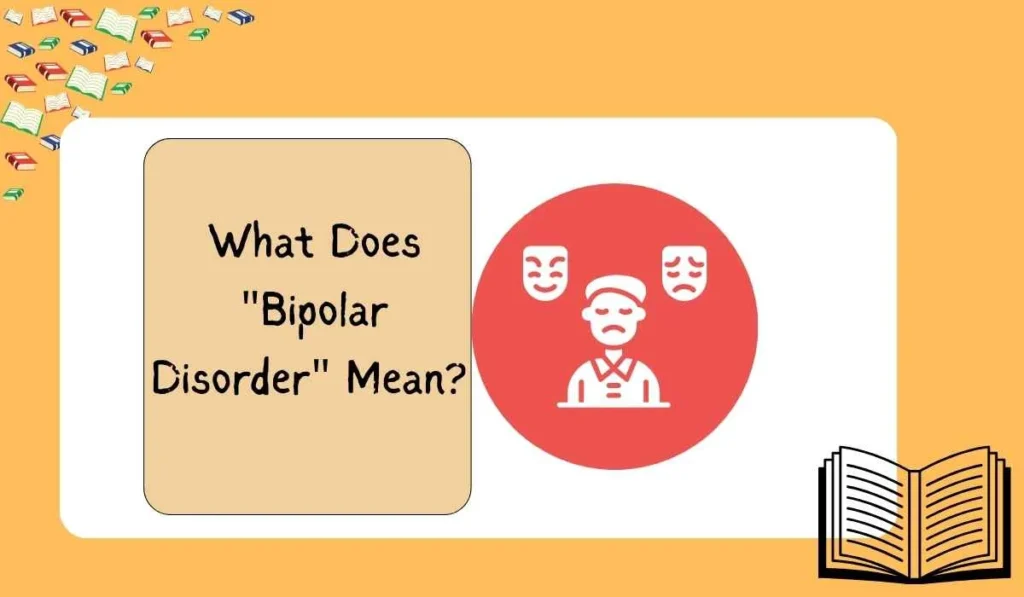
Bipolar disorder is a mental health condition characterized by extreme mood swings. These mood swings range from emotional highs, known as mania or hypomania, to emotional lows, called depression. It affects millions of people worldwide, making it a term you might encounter in online discussions, forums, or even casual texting.
Origin of the Term:
The word “bipolar” comes from “bi” meaning two and “polar” referring to opposite extremes—illustrating the two ends of the mood spectrum.
Key Points:
- Not just “moodiness” or “being moody”
- Can affect daily life, work, and relationships
- Requires professional diagnosis
How to Use “Bipolar Disorder” in Texts or Chat 💬
When people mention bipolar disorder online or in texting, they often use it casually, sometimes even jokingly. While casual mentions are common, it’s important to use the term respectfully.
Tips for Chat Use:
- ✅ Use when discussing mental health openly and respectfully
- ✅ Share educational resources or personal experiences
- ❌ Avoid using it as an insult or exaggeration like “I’m so bipolar today”
Example Conversations:
- Friend 1: “I can’t believe the mood swings this week 😅”
Friend 2: “Sounds tough! Bipolar disorder can be tricky if it’s not managed.” - Forum Post: “Does anyone here with bipolar disorder have tips for managing energy levels?”
Examples of “Bipolar Disorder” in Conversations 📱
Here are some real-life style examples of how the term might appear in chats, online forums, or social media:
Scenario 1 – Educational Chat:
User: “I just learned about bipolar disorder meaning. It’s more than mood swings—it’s a serious condition.”
Scenario 2 – Awareness on Social Media:
Post: “Mental health matters! Understanding bipolar disorder can help us support friends better ❤️”
Scenario 3 – Support Group Chat:
Member: “Having bipolar disorder doesn’t define me. I manage it with therapy and medication 💊”
Common Mistakes or Misunderstandings ❌
Many people misunderstand bipolar disorder, leading to misuse in casual language.
Top Mistakes:
- Thinking it just means “being moody”
- Using it as a joke for minor mood changes
- Confusing it with depression alone
Pro Tip: Always remember that bipolar disorder is a diagnosed medical condition, not a casual description of mood.
Related Slangs or Abbreviations 🔗
While bipolar disorder itself isn’t slang, it’s often mentioned in contexts where mental health abbreviations or phrases pop up:
- BPD: Can refer to Borderline Personality Disorder (not bipolar!)
- Manic: Referring to a “high” mood state
- Depressive episode: Referring to a “low” mood state
Pro Tip: Be careful not to confuse mental health abbreviations in chat; clarity matters.
Conclusion:
Understanding bipolar disorder meaning helps you communicate more thoughtfully in texts, chats, and online platforms. It’s more than a buzzword—it’s a real mental health condition affecting millions. Using the term respectfully fosters awareness and empathy.
Always approach conversations with sensitivity, share accurate information, and avoid casual misuse. Mental health literacy is key in building supportive communities online.

I am Suleman Malik, a passionate writer at LearnWordMeaning, dedicated to exploring the power of words and language.
I love explaining meanings, origins, and interesting facts about words in a simple and engaging way. Through my writing, I aim to help readers learn something new every day while enjoying the beauty of language.