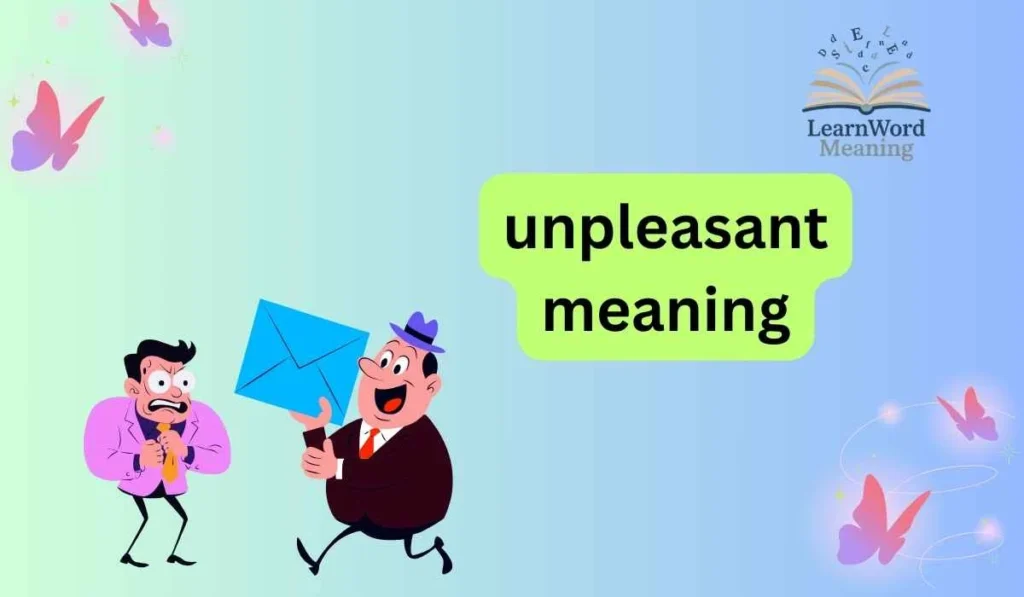
In the fast-paced world of texting, social media, and online chats, words carry more than just dictionary definitions—they carry vibes, tones, and sometimes even hidden emotions.
One word that often pops up in conversations, messages, or online discussions is “unpleasant.” But what exactly does it mean, and how do you use it correctly in modern digital communication?
Whether you’re replying to a slightly awkward message, expressing discomfort with a situation, or just trying to sound polite while pointing out a negative vibe, understanding the unpleasant meaning can save you from miscommunication—and maybe even an awkward DM.
Updated for 2026, this guide dives deep into the word “unpleasant,” its origins, examples, common mistakes, and related slang that are trending in chat culture today.
What Does “Unpleasant” Mean? (Definition & Origin) 📚
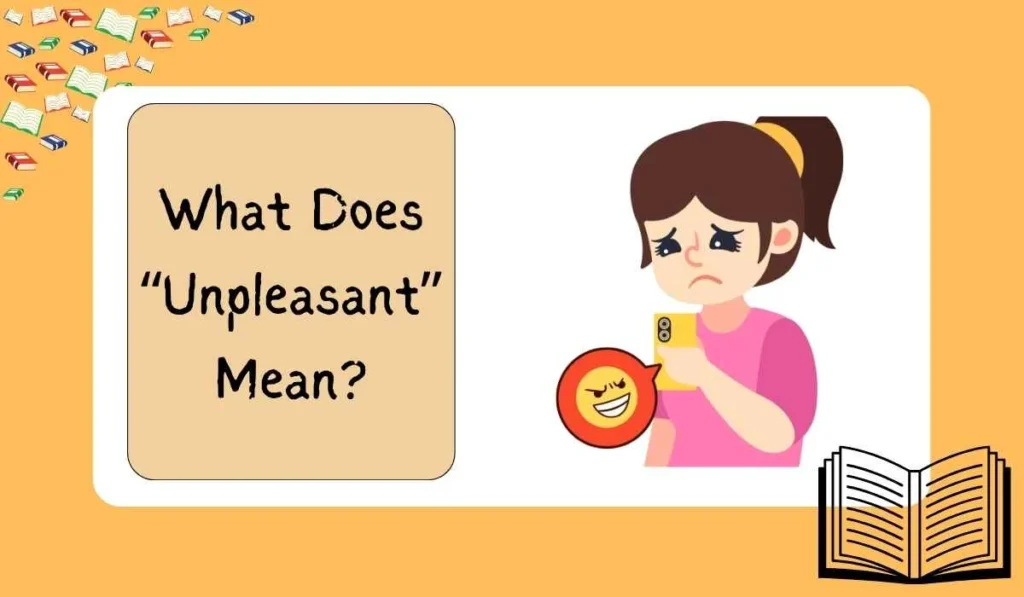
At its core, “unpleasant” describes something that is not enjoyable, uncomfortable, or causing mild distress. It’s a polite or formal way to express dissatisfaction without sounding harsh or rude.
- Definition in simple terms: Something that makes you feel bad, awkward, or uncomfortable.
- Origin: The word “unpleasant” comes from the prefix un- (meaning “not”) and pleasant (meaning “enjoyable” or “pleasing”). It’s been part of English since the 15th century, traditionally used in literature and polite conversation.
In modern texting and chat culture, “unpleasant” has slightly evolved. While it still carries the formal meaning, it’s often used humorously or sarcastically to comment on minor annoyances, awkward messages, or cringe-worthy situations.
Emoji & Tone Insight 🎭
When texting, tone is everything. Pairing “unpleasant” with emojis can convey subtle cues:
- 😬 – Mild discomfort or awkwardness
- 😒 – Disapproval or annoyance
- 🤢 – Grossed out or disgusted
For example:
“That new update is… unpleasant 😬”
Here, the word softens the critique, making it feel less aggressive.
How to Use “Unpleasant” in Texts or Chat 💬
Using “unpleasant” correctly can make your messages sound polite yet expressive. Here’s how:
1. Polite Complaints
Instead of saying “This is terrible,” you can say:
“The weather today is quite unpleasant.”
It communicates your discomfort without sounding harsh.
2. Awkward Situations
When a chat takes a weird turn:
“The silence in this chat is… unpleasant 😬”
This adds humor while acknowledging the awkward vibe.
3. Mild Criticism
If someone sends a message you find annoying or off-putting:
“Your comment was a bit unpleasant, not gonna lie.”
4. Sarcasm or Humor
Internet slang often mixes formality with humor:
“Watching my plants die is genuinely unpleasant 🤢”
Tips for Texting with “Unpleasant”
- Pair it with emojis for tone clarity.
- Use sparingly; overuse can make your messages sound stiff.
- Consider the context—formal vs casual chats.
- Avoid using it in highly sensitive situations; it can sound dismissive.
Examples of “Unpleasant” in Conversations 📝
Seeing the word in action can make it easier to understand. Here are some realistic chat examples:
Example 1:
With Friends
Alex: “Did you see that TikTok trend?”
Sam: “Yeah… kind of unpleasant 😬”
Example 2:
Workplace Chat
Manager: “We need to redo the report by tomorrow.”
You: “That’s… unpleasant, but I’ll handle it.”
Example 3:
Social Media Reply
Comment: “This meme makes no sense.”
Reply: “Agreed, a bit unpleasant to watch 🤨”
Example 4:
Dating App
Match: “I don’t like dogs.”
You: “Unpleasant… I was hoping for a dog lover 😅”
These examples show how “unpleasant” can fit both casual and semi-formal conversations, while softening criticism or awkwardness.
Common Mistakes or Misunderstandings ❌
Even though it’s straightforward, people sometimes misuse “unpleasant” in digital communication:
- Overusing It – Using it for every minor annoyance makes it lose impact.
- Being Too Formal – In casual chats, too much formality can seem distant or sarcastic.
- Ignoring Tone – Texts lack vocal cues, so pairing “unpleasant” with emojis helps convey the intended feeling.
- Misinterpreting as Severe – Some might take it as extreme negativity, when it often just means mild discomfort.
Related Slangs or Abbreviations 🔗
If you’re into chat lingo, you’ll notice some informal alternatives or related expressions:
- Awk – Short for awkward “That was awk… unpleasant moment 😬”
- FML – “F*** my life,” used humorously for unpleasant situations “Missed my train. FML 🙃”
- SMH – “Shaking my head,” signals disappointment or disapproval “He didn’t reply again… SMH, unpleasant.”
- Cringe – Online slang for something awkward or embarrassing “Watching that old video was… cringe and unpleasant 🤢”
Conclusion:
Understanding the unpleasant meaning gives you a subtle yet effective tool in modern texting culture.
- Polite & Versatile – Use it to express discomfort without being rude.
- Humor & Sarcasm Friendly – Perfect for online banter, memes, and casual chats.
- Context Matters – Pair it with emojis or tone cues to avoid misunderstandings.
Next time your chat takes a slightly awkward turn, or something just feels off, drop in “unpleasant” for a soft, relatable, and modern touch.

I am Suleman Malik, a passionate writer at LearnWordMeaning, dedicated to exploring the power of words and language.
I love explaining meanings, origins, and interesting facts about words in a simple and engaging way. Through my writing, I aim to help readers learn something new every day while enjoying the beauty of language.